

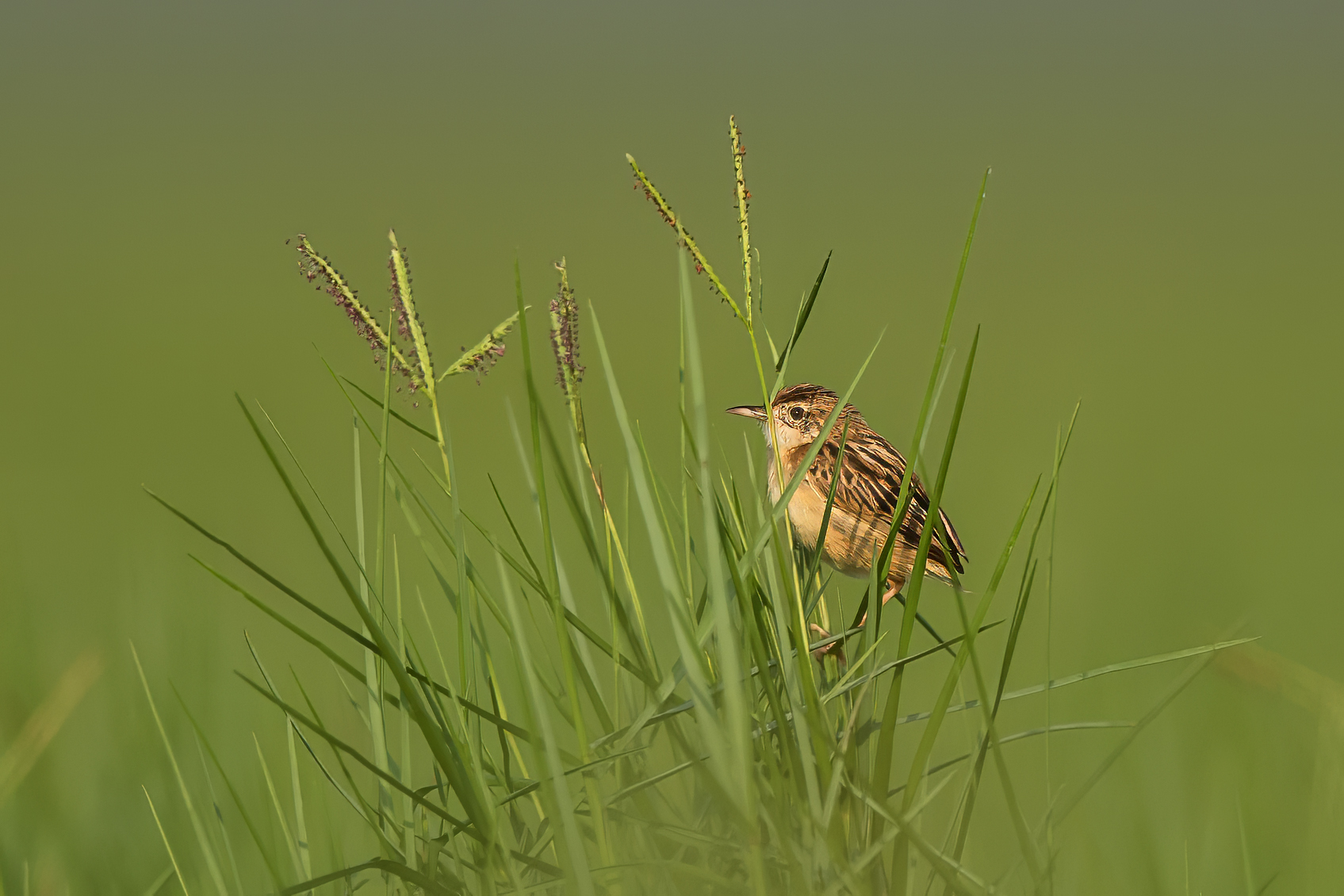
Bird photography is more than capturing beautiful frames of feathers in flight or a rare species perched perfectly on a branch. It is a responsibility. Ethical bird photography is about respecting birds, their habitats, and natural behavior—while still creating powerful visual stories.
In a time when social media rewards closeness, drama, and “once-in-a-lifetime” shots, ethical practices matter more than ever.
Understanding Ethical Bird Photography
Ethical bird photography means photographing birds without causing them stress, harm, or disturbance. The goal is simple:
📸 Get the photograph without altering the bird’s natural life.
An ethical photographer prioritizes the bird’s well-being over the image—always.
Why Ethics Matter in Bird Photography
Birds are sensitive creatures. Disturbing them, especially during breeding or feeding, can lead to:
- Nest abandonment
- Exposure of chicks to predators
- Interrupted feeding cycles
- Long-term habitat stress
A single careless action can undo years of conservation efforts.
Core Principles of Ethical Bird Photography
1. Keep a Respectful Distance
If a bird changes its behavior because of your presence—flies away, alarm calls, freezes, or shows stress—you’re too close. Use longer focal lengths instead of moving closer.
2. Never Disturb Nests
Avoid photographing nests, eggs, or chicks. Repeated visits can expose nest locations to predators and disturb parent birds during crucial breeding periods.
3. Do Not Use Bait or Call Playback
Baiting alters natural hunting behavior
Playback calls can cause stress, territorial confusion, and exhaustion
If the bird doesn’t come naturally, let it go.
4. Respect Natural Habitats
Stay on trails, avoid trampling vegetation, and never modify the environment—no cutting branches, clearing bushes, or moving perches for a “clean background.”
Nature doesn’t need styling.
5. Follow Local Laws and Guidelines
Protected areas and wetlands often have strict rules for a reason. Respect forest department regulations, sanctuary guidelines, and community norms.
6. Ethical Editing and Honest Representation
Post-processing should enhance—not misrepresent. Avoid adding skies, replacing backgrounds, or manipulating scenes that mislead viewers about natural behavior.
Ethics in the Age of Social Media
The race for likes, shares, and viral content has encouraged risky practices:
- Flushing birds for flight shots
- Overcrowding rare species locations
- Chasing “close-up drama”
Ethical bird photography asks a simple question before every shot:
“Is this image worth disturbing the bird?”
If the answer is uncertain, step back.
Educating Through Photography
Ethical bird photographers don’t just create images—they educate.
By:
- Sharing responsible field practices
- Avoiding sensitive location tags
- Speaking up against unethical behavior
Photographers become ambassadors for conservation.
The True Reward of Ethical Bird Photography
Ethical photography may not always give you the closest frame—but it gives you something better:
- Authentic moments
- Natural behavior
- Lasting respect from the wild
And most importantly, it ensures that birds remain safe for future generations to admire and photograph.
Final Thoughts
Ethical bird photography is about patience, humility, and respect.
It’s about being a silent observer, not an intruder.
Because the best wildlife photograph is not just beautiful—it is responsibly made.
🕊️ Take only photographs. Leave only footprints.
Article by Srikrishna Das
Wildlife Photographer from Bhubaneswar, Odisha
International, National & State Award Winner